We Took Our Six Kids to Antarctica
Here’s Everything You Actually Need to Know
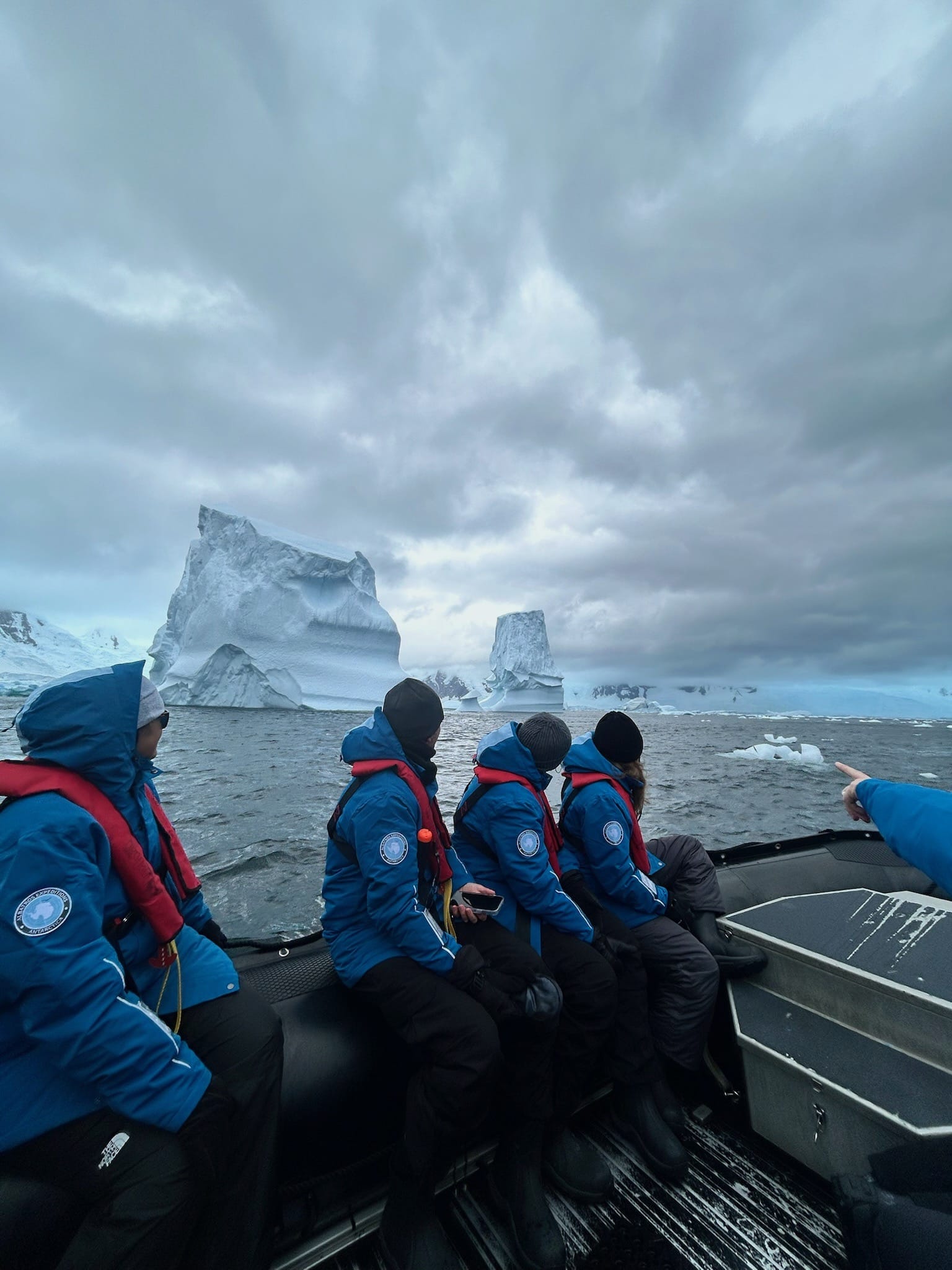
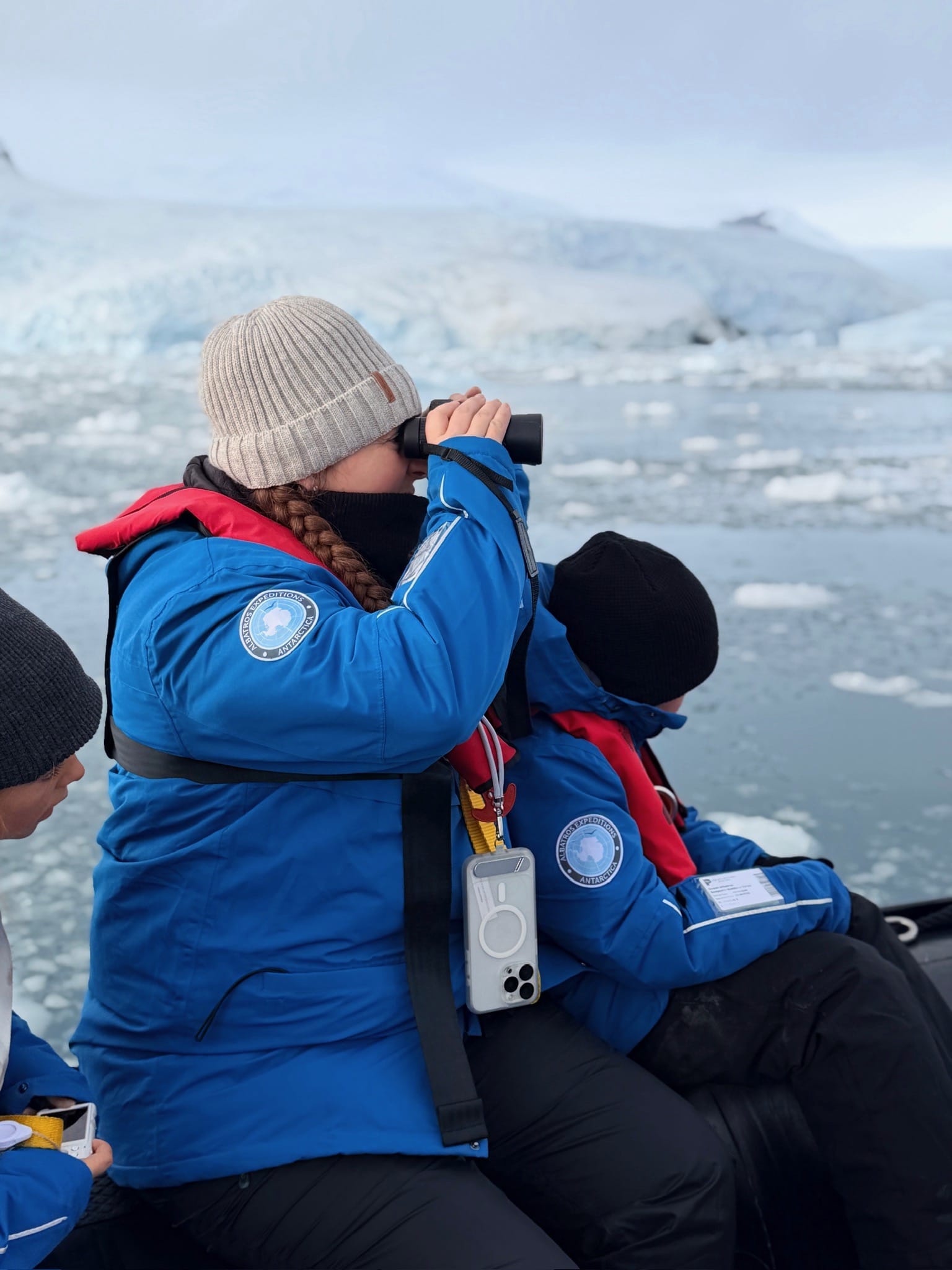
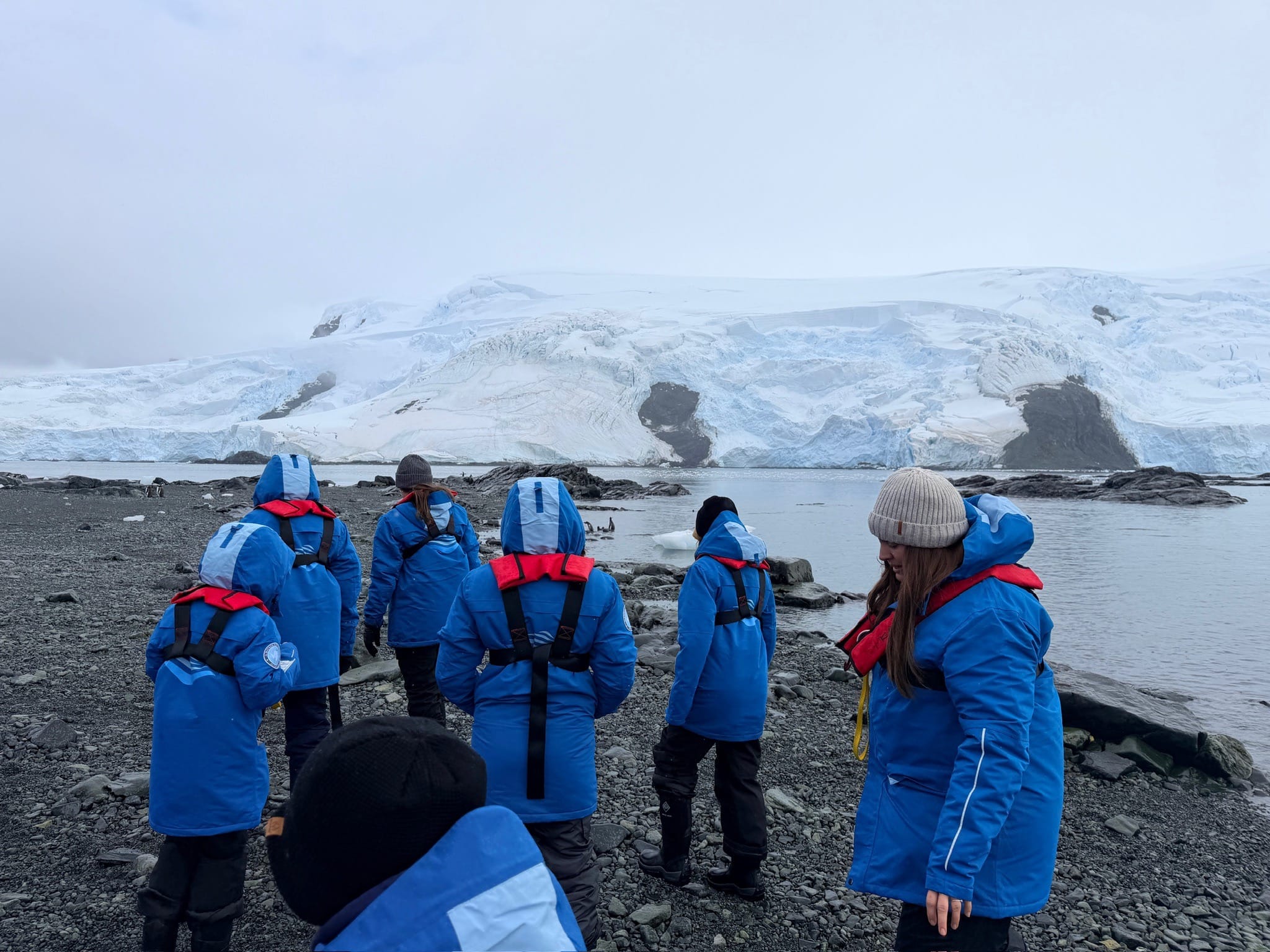
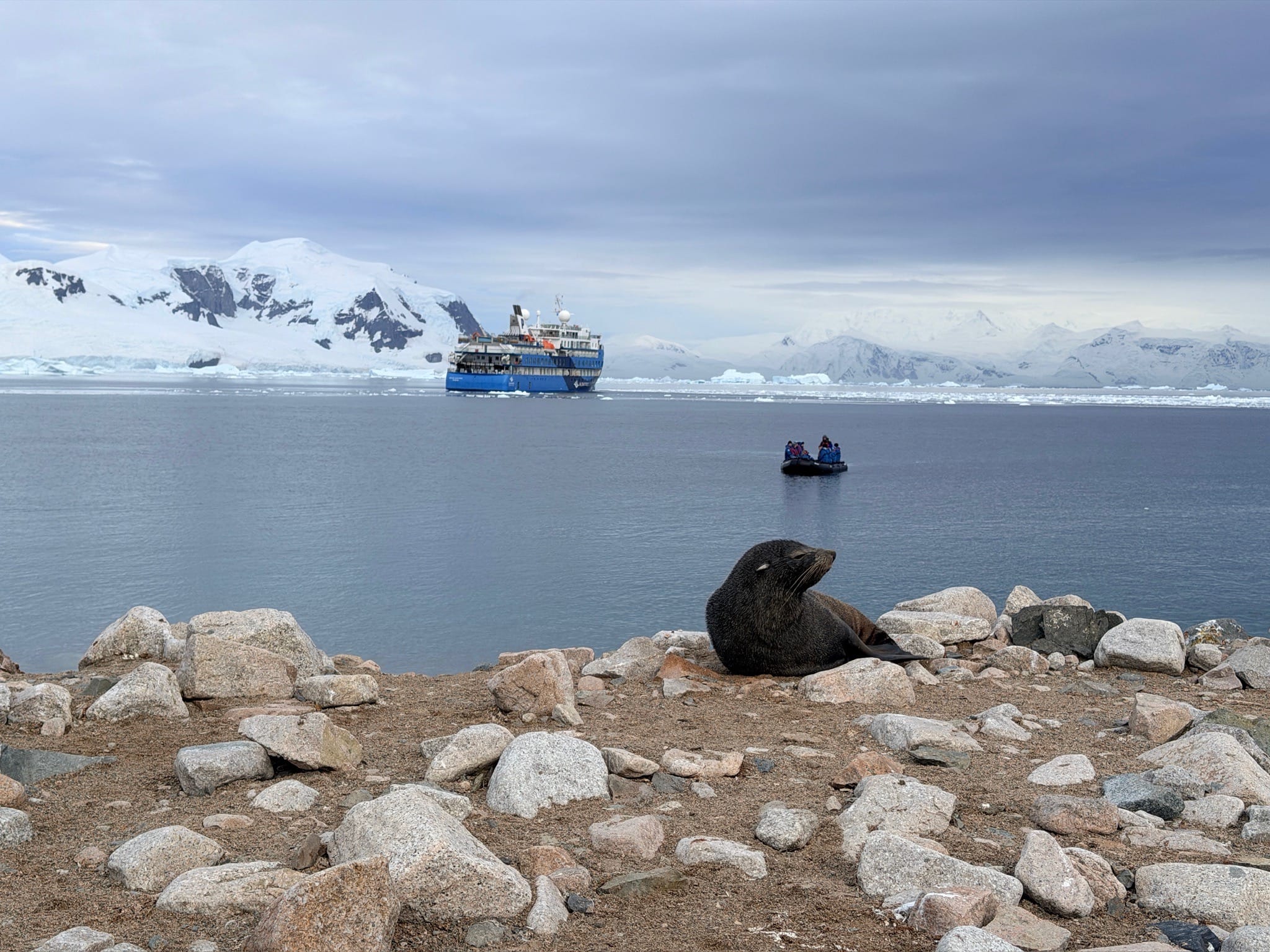
In March of 2026, all eight of us stepped off a Zodiac boat onto the continent of Antarctica. It was our seventh continent in six years. Our youngest had just turned eight. It was, by almost any measure, the most ambitious trip we have ever attempted — and one of the most rewarding.
Antarctica is the trip people assume is impossible for a family. It is not impossible. It is expensive, it requires real planning, and it has genuine logistical hurdles, but it is achievable, and this post is the complete, honest account of how it actually works.
____________________________
The Age Question — The First Hurdle
Here is the obstacle that nearly stopped us before we started: most Antarctic expedition operators have minimum age requirements, typically somewhere between eight and twelve years old. The excursions involve Zodiac landings in cold, sometimes rough conditions, and operators set these limits for genuine safety reasons.
When we began planning, we were told that we could not bring a child under twelve. We had an eight-year-old and a ten-year-old. That single policy threatened the entire trip.
So we did the thing we have learned to do over six years of travel: we asked. We wrote a careful, sincere email to our booking agent, explaining our family, our extensive travel experience, our children’s demonstrated capability on difficult trips, and we respectfully requested that the expedition provider consider an exception. We refreshed our inbox compulsively for days. The answer came back: exception granted. That email opened the door to Antarctica.
The lesson we keep relearning: the answer, if you don’t ask, is always no. If you ask with genuine warmth and specificity, the answer is more often yes than you would ever expect.
Plan around the age policies: Most operators welcome children twelve and older, often with height and weight minimums (commonly around 3.9 feet / 1.2 meters and 66 pounds / 30 kilos). If you have a child slightly under an operator’s limit, it is worth asking, politely, in writing, with context about your child’s readiness. Policies are sometimes more flexible than the website suggests.
____________________________
Two Ways to Get There
Option 1: Sail across the Drake Passage.
The classic route departs from Ushuaia, Argentina — the southernmost city on Earth — and crosses the Drake Passage, roughly two days of open ocean each way to reach the Antarctic Peninsula. The Drake has a reputation, and it earns it: the water between South America and Antarctica can be among the roughest on the planet. It can also, on a good crossing, be just fine. You don’t know which you’ll get until you’re in it. This is the more affordable and more traditional route, and the crossing itself becomes part of the story.
Option 2: Fly over the Drake.
A growing number of operators offer “air-cruise” expeditions that fly you from Punta Arenas, Chile, directly to King George Island in the South Shetlands, where you board the ship — skipping the Drake Passage entirely. This is faster, dramatically reduces the seasickness risk, and is excellent for families worried about young children on a rough crossing. It is also even more expensive. For families with limited time or real concerns about the open-ocean crossing, it can be worth every dollar.
____________________________
What It Costs
There is no way around it: Antarctica is the most expensive trip most families will ever consider. Expedition cruises generally start in the range of $6,000–$8,000 per person for a Drake-crossing voyage and climb well past $12,000 per person for fly-cruise options and premium operators. Children typically pay the same rate as adults, though some operators offer a modest discount for those under twelve.
For a family of eight, this is a significant investment — and it is precisely the kind of trip where years of disciplined saving through a dedicated travel fund, flight deal services like Going.com and Pomelo Travel, and a credit card points strategy make the difference between “someday” and “this March.” We did not pay for Antarctica out of a normal household budget. We paid for it the way we have paid for everything: years of small choices, a dedicated travel fund, and points where they applied.
Book early. Antarctic expedition cabins, especially the larger cabins and the cabins that work for families, sell out far in advance. Booking 12 to 18 months ahead gives you the best selection and often the best early-booking discounts, which on a trip this size can be thousands of dollars per person. |
____________________________
What the Experience Is Actually Like
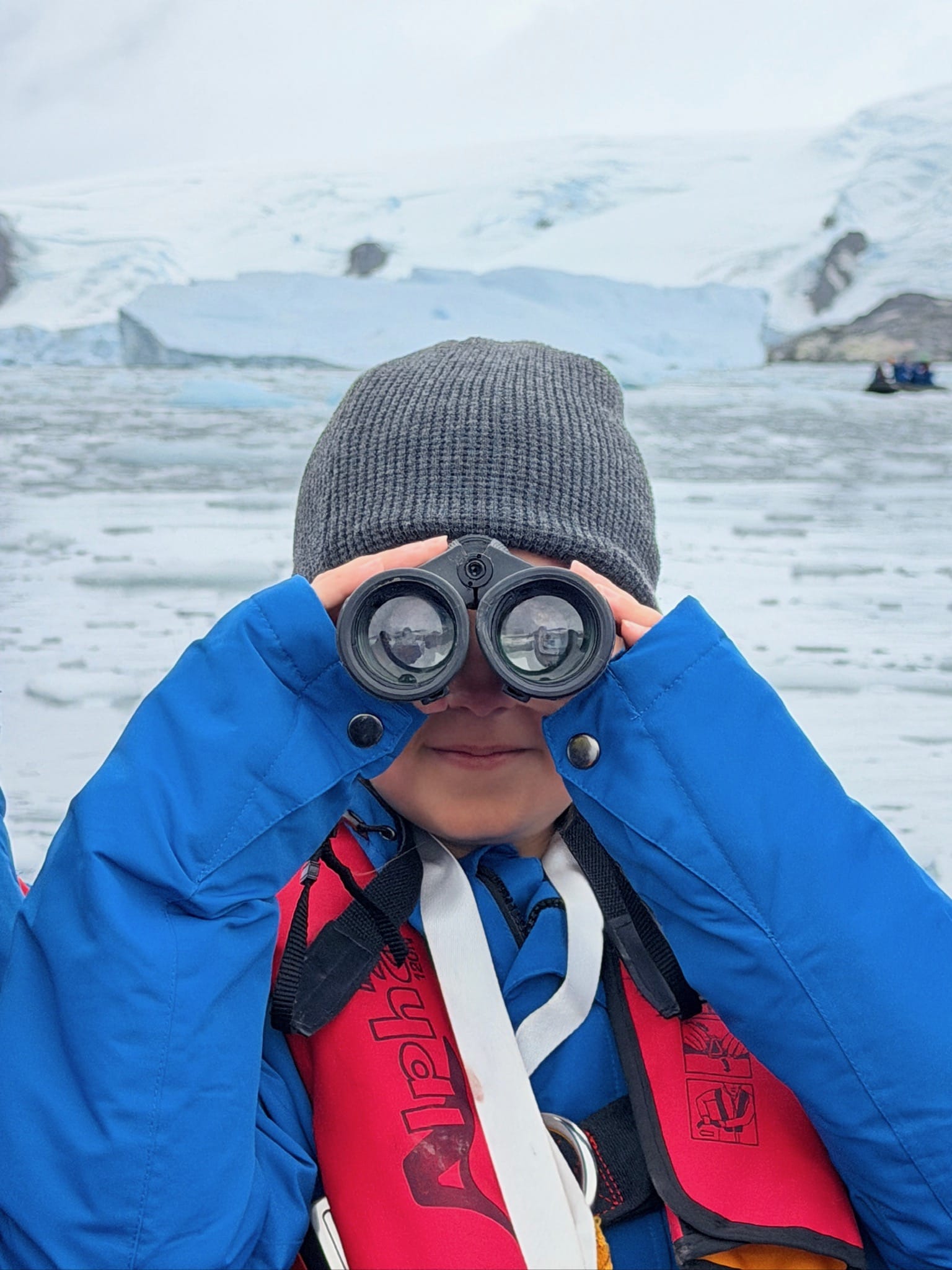
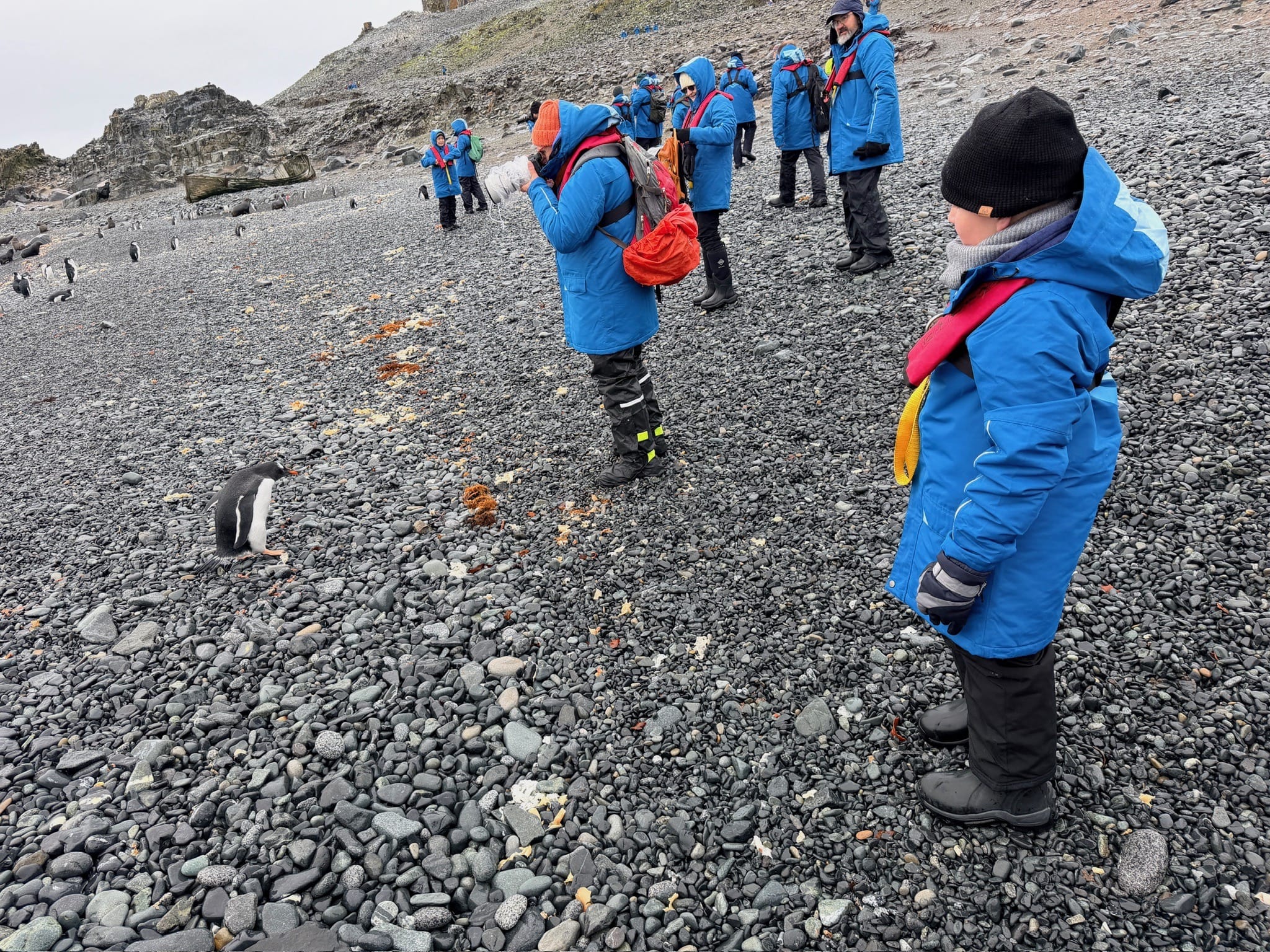
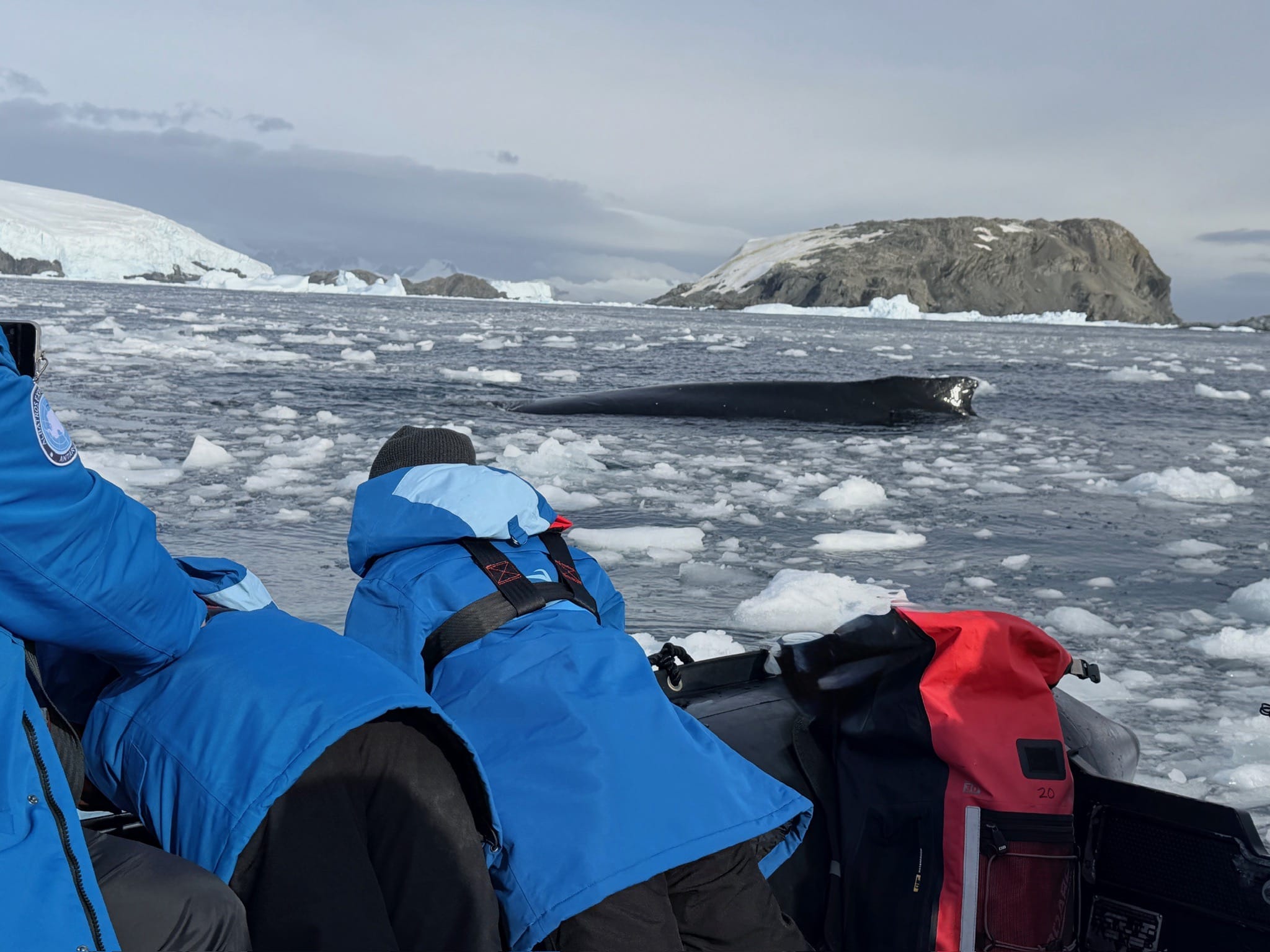
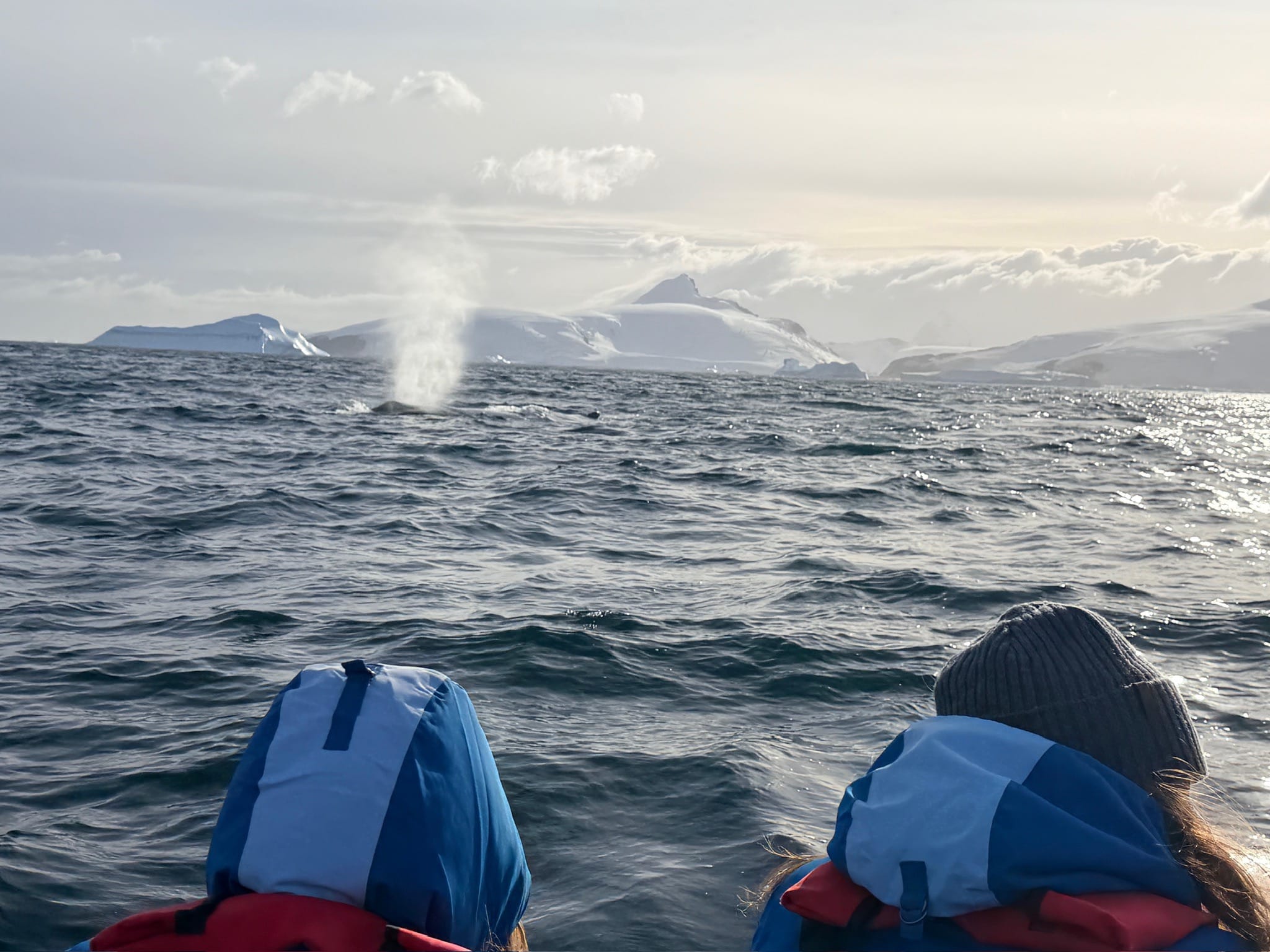
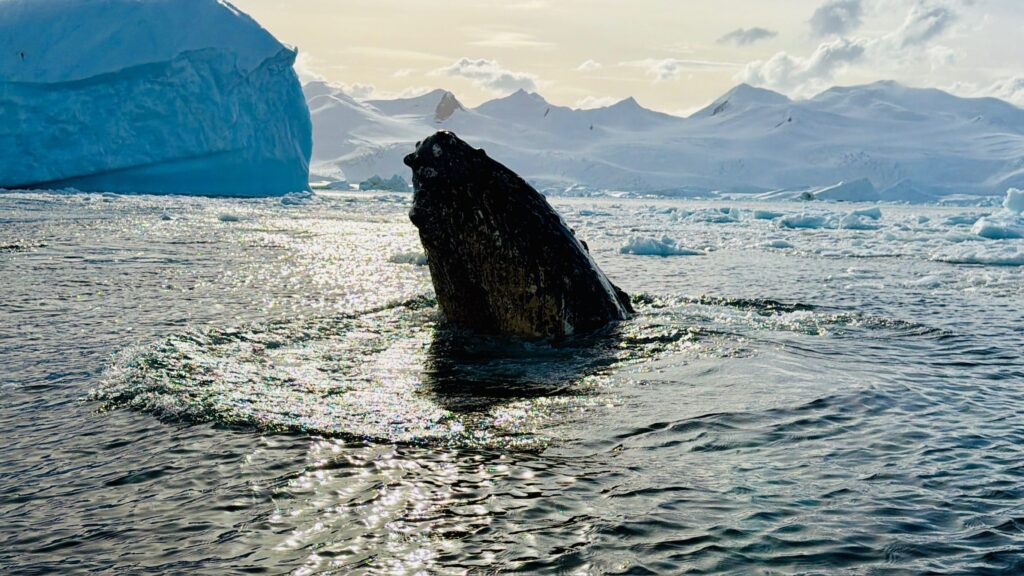
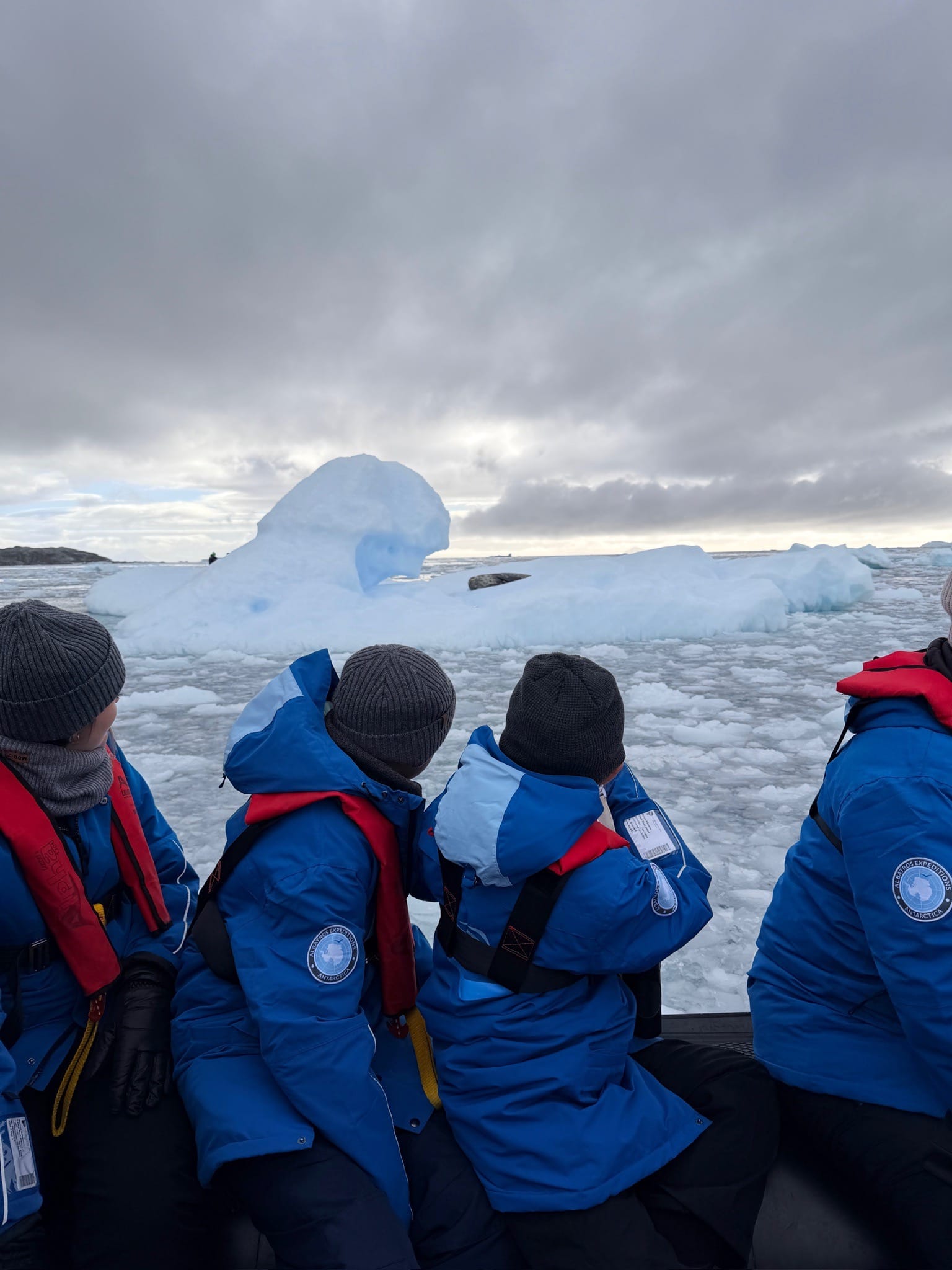
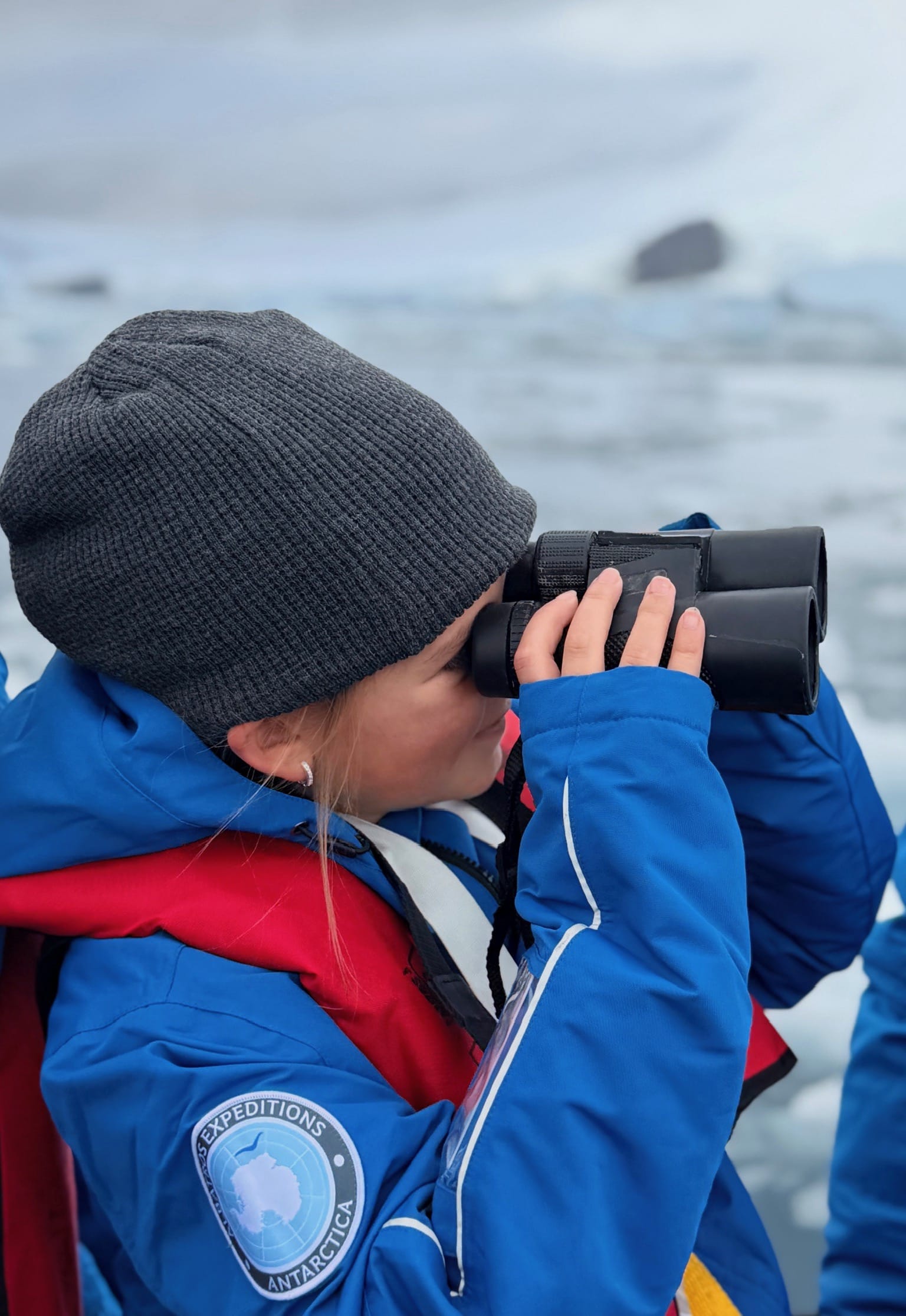
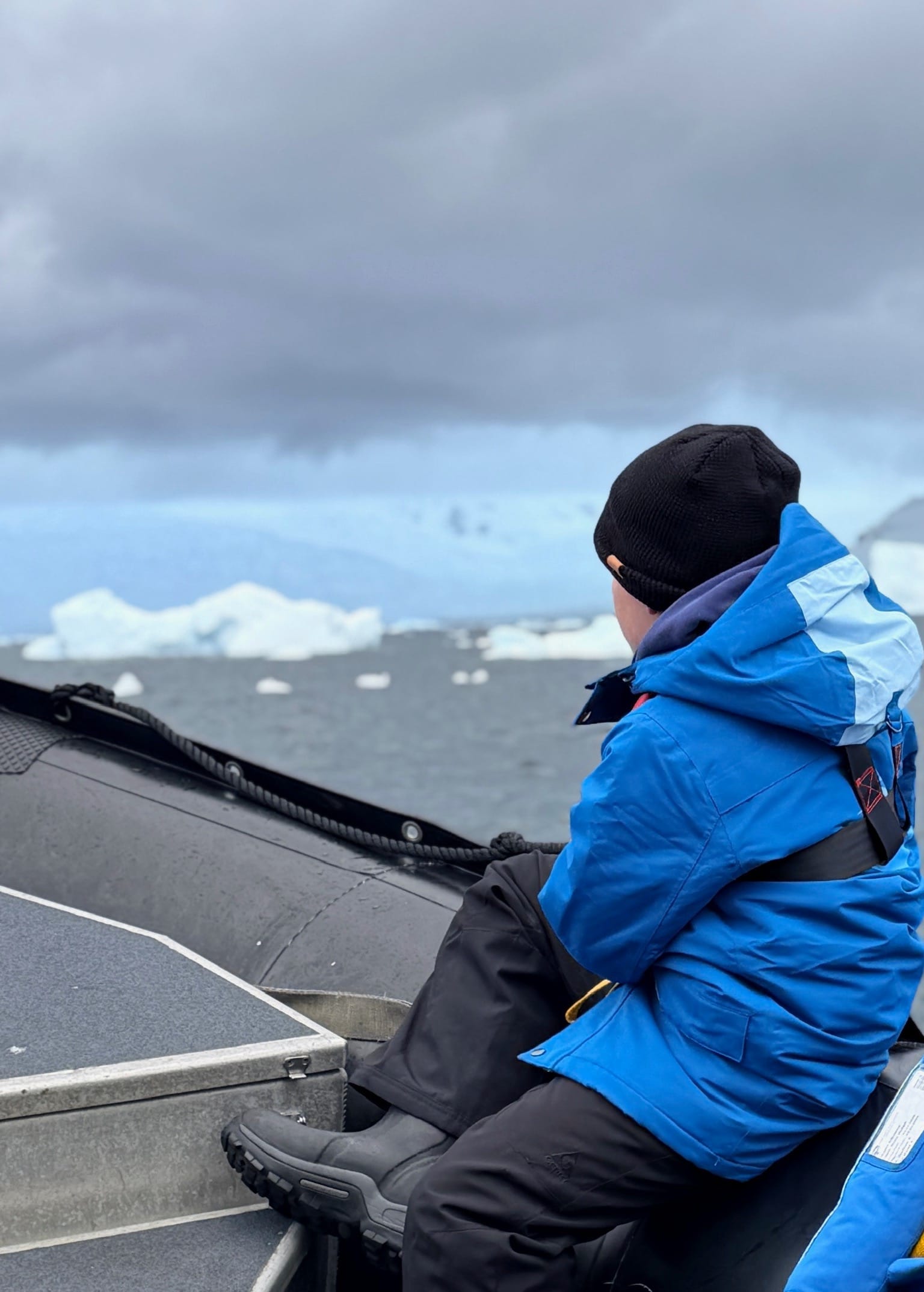
Once you are there, the days take a rhythm: the ship repositions overnight, and each day brings Zodiac excursions — landings on the continent and islands, cruises among the icebergs, wildlife everywhere. You will see penguins in enormous numbers, close enough to hear the sounds they make to each other. Seals on the ice. Whales surfacing and breaching near the boats. Glaciers that crack and boom like distant artillery.
For our family, the single most extraordinary moment was sitting in a Zodiac surrounded by humpback whales, sea ice, penguins, and seals — all at once, in water so cold and clear it did not seem real. The children were silent. The adults were silent. There are not many places left on Earth that can produce that kind of silence in a family of eight.
Trip insurance with a high medical evacuation limit is non-negotiable for this trip. An evacuation from Antarctica can cost a staggering amount. We will write about this elsewhere, but for Antarctica specifically: buy the policy, confirm the evacuation coverage, and do not skip it.
____________________________
Is It Worth It?
It is the most we have ever spent on a single trip. It required an exception to an age policy, a crossing of one of the roughest stretches of ocean on Earth, and layers of cold-weather gear.
It was also the trip that completed seven continents for our family, and the one where we watched our children go silent in the presence of something genuinely vast and beautiful. If Antarctica is your family’s dream, do not let the difficulty talk you out of it. The difficulty is the reason so few people go. The difficulty is also, in the end, part of what makes the standing-there worth everything it took to get there.
_________________________________________________________________________________________________________
Dreaming of Antarctica with your family? Questions about operators, the age policies, the Drake Passage, or budgeting for it? Leave them in the comments — we answer every one.